
PODCAST
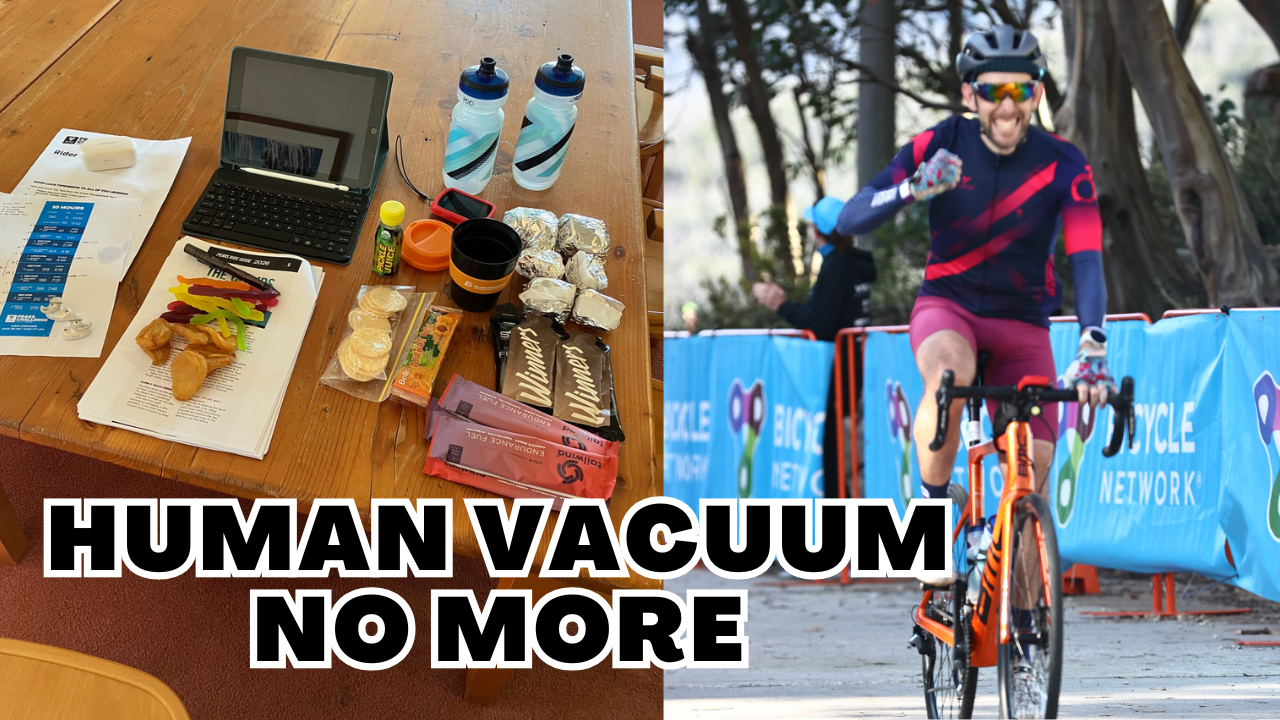
120. Sports nutrition for ‘human vacuums’ with Douglas Gunn
I sit down with Dougie Gunn, a recreational cyclist who shares his journey from “eating everything in sight” to learning how to fuel properly for endurance riding.
We talk about what changed when he started approaching nutrition with more structure and intention, and how that impacted his energy, performance, and recovery both on and off the bike.
119. How do I refuel if I’m not hungry after training? ASK A SPORTS DIETITIAN
In this episode, I answer a question I get all the time from cyclists and endurance athletes: what do I do if I’m not hungry after training?
On the surface, it sounds simple. If you’re not hungry, you don’t eat. But when it comes to performance nutrition and recovery, it’s not always that straightforward.
I talk about how intuitive eating is a valuable tool and something I encourage athletes to develop over time. Learning your hunger cues, understanding when you’re genuinely hungry versus when you’re eating out of habit, and finding a rhythm that works for your body is incredibly important. But there are specific situations where relying purely on hunger cues can actually hold you back.
One of the biggest examples of this is immediately after training.
For many athletes, especially after harder or longer sessions, appetite can be suppressed. You might feel flat, tired, or simply not interested in food. But this is exactly the time your body needs fuel the most. If you delay refueling, you are not only compromising recovery, but also setting yourself up for low energy, brain fog, and stronger cravings later in the day.
In this episode, I explain why early recovery nutrition is so important, particularly for amateur athletes who are juggling training alongside work, family, and everyday life. You don’t have the luxury of extended recovery windows. You need your energy back quickly so you can function, think clearly, and perform in the next session.
I walk through practical strategies for what to do when you’re not hungry after training. One of the most effective tools is using liquid nutrition. Smoothies, recovery shakes, chocolate milk, and fruit juice can all help you get carbohydrates and protein into your system without the heaviness of a full meal.
I also share simple, flexible ideas for light foods that are easier to tolerate when appetite is low, like toast, rice cakes, cereal, or eggs. The key message is that recovery does not need to be complicated or perfect. It just needs to happen.
We also talk about the downstream effects of underfueling. When you skip or delay recovery nutrition, it often shows up later as intense hunger, sugar cravings, overeating, and feeling out of control around food. By eating earlier, even when you’re not hungry, you can prevent that cycle and support more consistent energy and behaviour throughout the day.
This episode is designed to give you simple, realistic strategies you can implement immediately, whether you are a recreational cyclist, a busy professional training around life, or someone trying to improve recovery and performance without overcomplicating your nutrition.
118. I wanted to congratulate her weight loss
Weight is one of the most sensitive and misunderstood topics in sports nutrition, especially for cyclists and endurance athletes. In this episode, I unpack a recent client experience that completely reframed how I think about weight loss, performance, and what progress actually looks like.
When I reviewed my client’s progress after a few weeks, I noticed her weight had started to shift in the direction she wanted. My first instinct was to celebrate that. But I paused, because I know how easy it is to place all the value on the number on the scale, rather than what is actually driving meaningful change.
Instead of focusing on weight, I asked her what she had noticed.
What she shared had nothing to do with the number.
She told me she had more energy, she felt happier, and even her husband had commented that she seemed like a different person. One of the biggest shifts was that she was no longer binge eating in the evenings. The constant cravings, the pull towards sugar, and the feeling of losing control around food had significantly reduced.
This is the power of fueling properly.
In this episode, I break down why the timing of your nutrition—what you eat before, during, and after training—is often far more important than the exact foods you are eating. When you fuel your body correctly, many of the behaviours people struggle with, like overeating at night or constant cravings, begin to resolve naturally.
I also talk about the psychological barriers that often stop athletes from making these changes. Fear plays a huge role. Fear of eating more. Fear of gaining weight. Fear that it won’t work. Even when people are given clear advice, it can take days or even weeks before they are willing to try it.
We explore why weight is such an unreliable marker of progress. It can fluctuate due to sodium intake, supplements like sodium bicarbonate, travel, altitude, hydration, and hormonal changes. You can also be building muscle and losing body fat while your weight stays exactly the same.
That is why I always encourage looking at the bigger picture.
In this episode, I walk through how to shift your focus towards meaningful progress markers like energy levels, recovery, sleep quality, mood, performance, and overall quality of life. Because ultimately, the goal is not just to weigh less. It is to feel better, perform better, and live better.
If you have ever felt stuck focusing on the scale, or frustrated that things are not changing the way you expect, this episode will help you rethink what progress actually looks like and where your attention should be going.
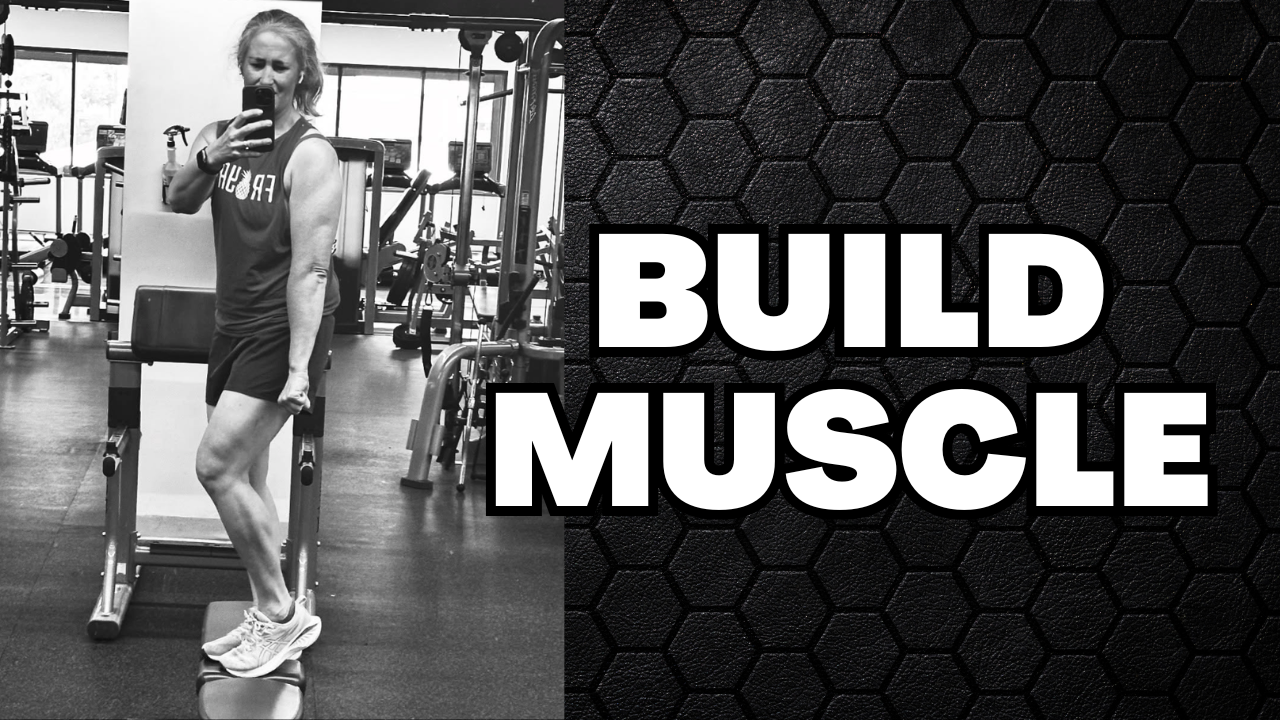
117. What Every Female Cyclist Over 40 Needs to Know About Building Muscle and Staying Strong | Liz Nelson
In this episode of Fuelled, I sit down with Liz Nelson to talk about one of the biggest conversations I keep hearing from women in their thirties, forties and fifties: why training, body composition, muscle building and performance can suddenly feel harder than they used to. Liz brings a rare mix of experience to this conversation. She has a background in pharmacy, sports science, health communication and endurance coaching, and she works closely with athletes who want to keep doing big, ambitious things as they get older.
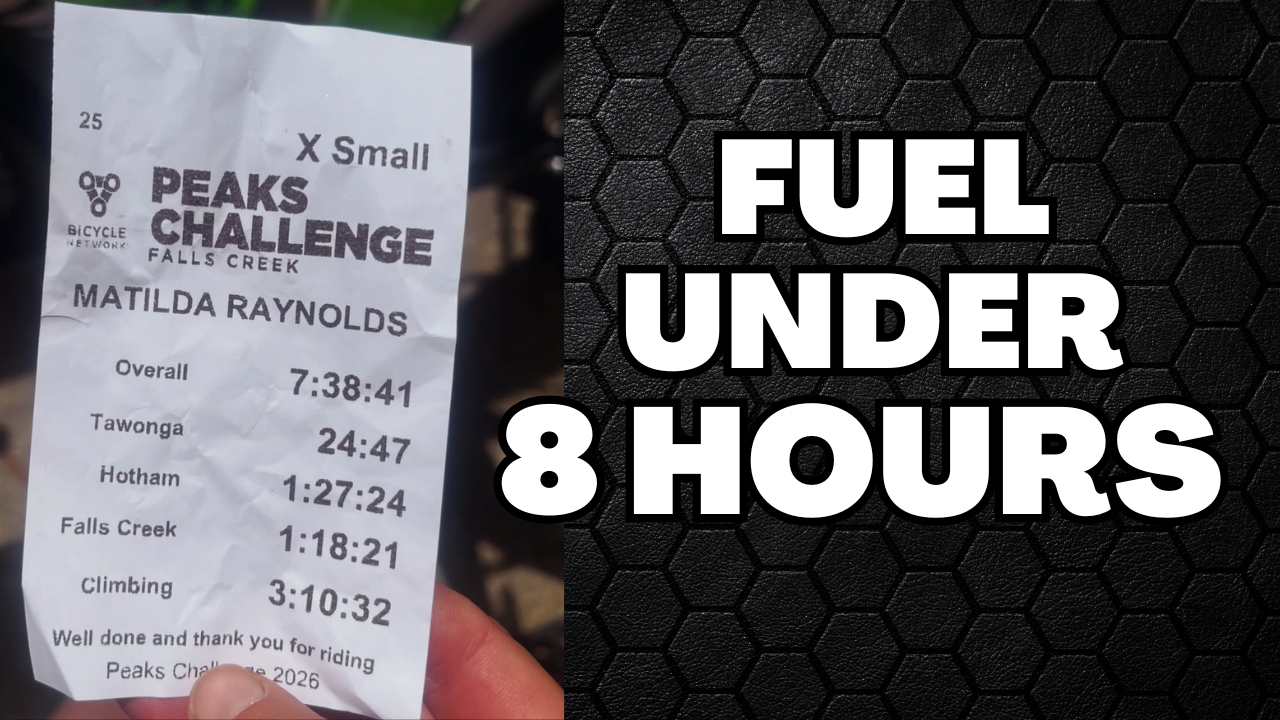
116. What It Really Took to Ride Peaks Challenge in Under Eight Hours. Matilda Raynolds
I sit down with Matilda Raynolds to talk about one of the biggest endurance cycling goals in Australia: completing Peaks Challenge Falls Creek in under eight hours. Matilda recently became the first female sub-eight-hour ride leader for the event, and this conversation goes far beyond the headline result. We unpack what it actually took to get there, from training and mindset to race-day fuelling, body composition, and the long-term evolution of her relationship with food and performance.
115. I worry about REDs and LEA when I’m not training. ASK A SPORTS DIETITIAN
In this episode of Ask a Sports Dietitian, I answer a really important question from a recreational cyclist training around 10 to 12 hours a week who is struggling with RED-S and low energy availability, despite being at a healthy body weight and eating what looks like a good diet on paper. It’s a question I hear in different forms all the time, especially from women in endurance sport who are trying to support performance, protect their health, and avoid cutting back on the training they love.
114. Something needs to change - I can’t keep living like this!
If you’ve ever thought that about your weight, your fitness, your sleep, or the way you’ve been living on autopilot — this episode is for you.
In this episode, I’m sharing what’s been going on behind the scenes over the last three months, why I stepped away from the podcast and social media, and what’s shifted in my life since late November. I talk honestly about getting sick (including shingles, flu, and probably COVID), what it taught me about rest, and why I’ve been forced to rebuild my routine from a low base — physically and mentally.
113. How long would it take to do this?
In this episode, I explore one of the most powerful yet overlooked parts of performance nutrition: understanding your why. After years of working with cyclists and endurance athletes, I’ve learned that the biggest breakthroughs rarely come from the perfect training plan or the newest gear. They come from learning how to fuel properly, consistently, and intentionally — and understanding the motivation behind your choices.
I share stories from the athletes I work with, including the rider who waited nine days to try one simple piece of homework that ended up transforming his performance within a week. I talk about carb loading, pre-race fueling, simple daily habits, and how taking imperfect action builds confidence far more effectively than waiting for the perfect moment.
I also dive into my own journey with language learning and how it mirrors the mindset shifts needed in nutrition. Whether you want to improve performance, prepare for a big event, support long-term health, or simply feel stronger on the bike, this episode is about finding the internal motivation that keeps you progressing — even when things aren’t perfect.
If you’ve ever struggled to take action, doubted whether a recommendation would actually work, or waited for the right moment to “finally start,” this episode will show you how powerful small daily steps can be.
112. Two steps forward one step back
I’ve seen it so many times — athletes, especially cyclists, pushing themselves hard while running on empty. They think eating less or staying in a calorie deficit will help them get leaner or perform better, but it often does the opposite. Nutrition isn’t just about calories in and calories out; it’s a science and an art.
In this episode, I reflect on how my own experience with illness (hello, shingles!) reminded me of the body’s limits and why recovery, fueling, and balance matter more than restriction. I talk about the real motivators behind behaviour change — how we often don’t act until we’re in pain — and how to start taking action before things break down.
From elite cyclists preparing for major races like Three Peaks or Ironman to everyday riders wanting to feel strong and energetic, the key is sustainable, realistic nutrition. I share insights into body composition, why eating more can sometimes mean performing better, and how fueling properly can completely transform training outcomes.
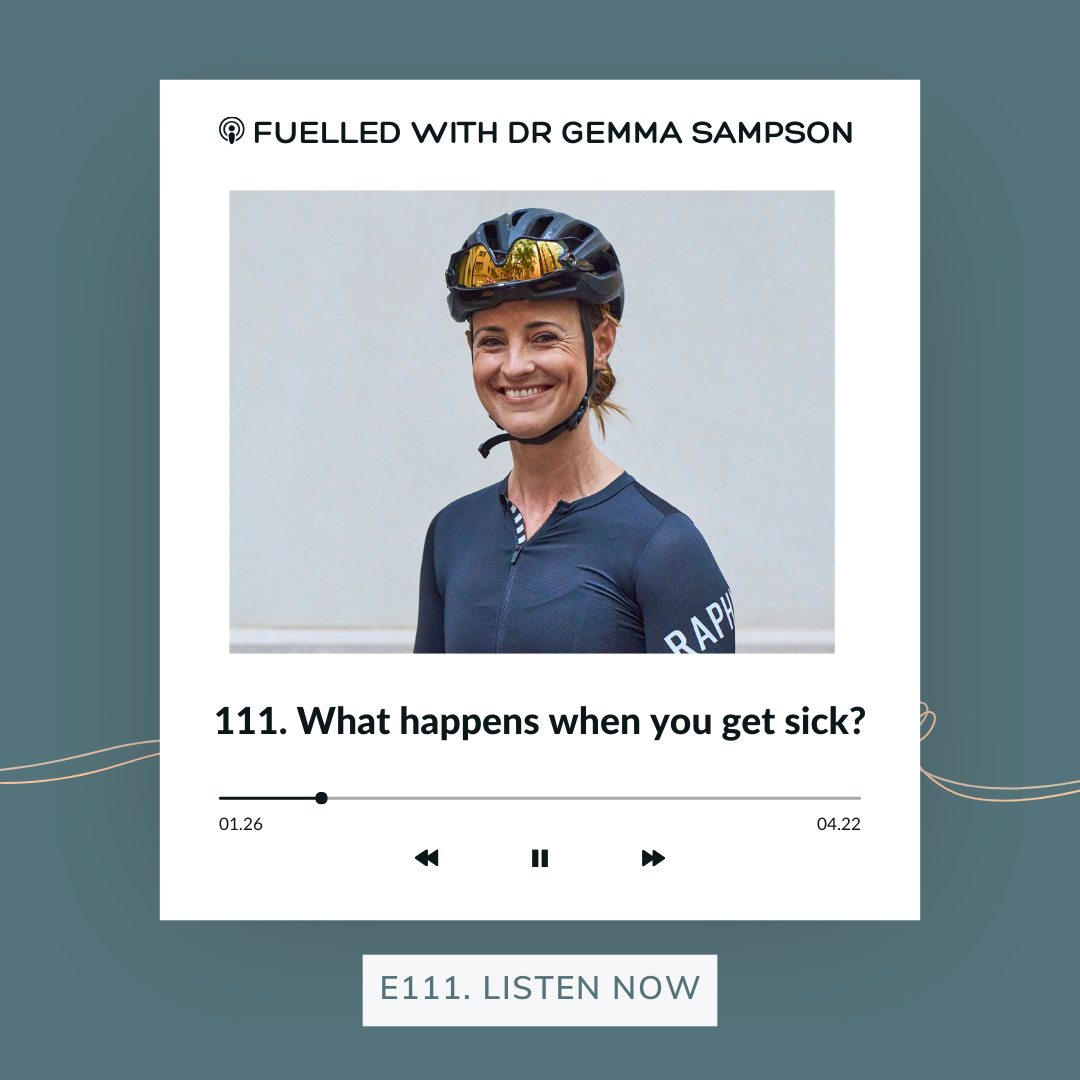
111. What happens when you get sick?
What happens to my eating habits, mindset, and relationship with food when I get sick and have to stop exercising? I’ve been unwell for nearly a month and couldn’t tolerate any training—and it reminded me how important it is to have a baseline nutrition framework I can fall back on when life forces a pause. I also ran into a viral clip (possibly AI/fake) of a well-known trainer saying he’d “get fat” if he couldn’t train and that he’d micro-dose GLP-1s to avoid it. Whether that video was real or not, the fear behind it is—especially for cyclists and endurance athletes who quietly rely on training to manage body weight.
In this episode, I share how I navigate time off the bike without spiralling into restriction or panic. I unpack the difference between my baseline “stay-alive” nutrition and the training add-ons (before/during/after), why eating the same tiny number of calories every day backfires, and what changes when training volume drops to zero. I also talk through the myth of “I’ll gain weight instantly if I stop,” the Christmas/winter slump, and why picking a practitioner who truly understands endurance physiology matters. I even share a real example: someone trying to live on 1,400 calories while training 15 hours/week—and why that guarantees hunger, exhaustion, and rebound eating.


108. I tested how many grams of carbs I really need per hour: Isabella Bertold
I’m joined by Isabella Bertold, a professional cyclist and former world-class sailor, to talk about what happened when she took a test to find out exactly how much carbohydrate her body needed to fuel her cycling—and the results surprised her.
Like many endurance athletes, Isabella assumed she was fuelling well enough. But after taking a metabolic fuel test using EXOAnalytics, she discovered she’d been significantly underestimating her carbohydrate needs. The test revealed she could absorb between 110–128 grams of carbs per hour, far more than the 75 grams she thought was her limit.

107. From Overwhelmed to Empowered: Kate Richardson’s Fuelling Journey
In this episode, I’m joined by GB track and road rider Kate Richardson, who shares how learning to fuel properly has transformed her performance and her enjoyment of racing. Kate recently won the National Elite Women’s Crit Race in the UK, just months after we started working together, and her progress has been nothing short of inspiring.
Kate opens up about the confusion she felt around nutrition before seeking support—being overwhelmed by conflicting advice online and within the sport, unsure how to balance performance goals with health, and wrestling with the taboo that still exists around food and body composition in cycling. Together, we discuss how small but strategic changes have helped her train harder, recover faster, and race with more confidence.

106. Mindset, Mindfulness, and the Ripple Effect of Behavior Change in Sport with Ted Huang
I sit down with two-time Olympic windsurfer and sports psychology graduate Ted Huang to explore one of my favourite topics: behaviour change and mindset. Ted and I recently met on a cycling trip in Italy, and our conversations quickly turned to performance, fuelling, and how psychology underpins so much of what we do in sport and life.
Ted shares his fascinating journey from discovering windsurfing as a teenager, to competing at the Olympic level, and later transitioning into road cycling. He explains how running professional cycling teams and studying organisational behaviour helped him see that athletic performance isn’t just about physical strength—it’s also about headspace, coping mechanisms, and mindset under pressure.
We dive into why so many athletes still struggle with fuelling properly, the fears that hold them back, and the ripple effect that positive changes can have beyond sport. From overcoming the “I don’t need it” mentality, to learning to fuel training better, to understanding how curiosity and self-awareness drive behaviour change—this conversation covers the mental and physical strategies that help athletes (and everyday people) feel and perform at their best.

105. Why did my weight go up?
Have you ever stepped on the scales, seen a higher number and felt your stomach drop? In this episode I unpack why that happens—and why it usually isn’t body fat. I explain the day-to-day variables that move your weight up and down (carbohydrate intake, salt, fluids, travel, big training days and the week before your period), and how to read those fluctuations without panicking or self-sabotaging.

104. Nutrition tips for healthy eating when travelling
Is it possible to go on holidays or travel for work without coming home a few kilos heavier? Absolutely. In this episode of Fuelled, I share practical and realistic strategies to help you maintain your weight while still enjoying travel, conferences, and holidays.

103. Transition from short to long distance Triathlon: Nutrition insights from pro triathlete Grace Thek
In this episode, I sit down with Australian pro triathlete Grace Thek to talk about her transition from middle distance to full distance triathlon. Grace recently made her debut at Challenge Roth, and she opens up about how her training and nutrition had to shift to meet the demands of racing long distance.
She shares what it was like overcoming injuries, how she gradually built up her fueling strategy to hit 94 grams of carbs per hour, and why consistency was key to maintaining energy right through to the finish. We also chat about the lessons she’s learned along the way, the importance of practicing nutrition in training, and her advice for new triathletes — from enjoying the journey to being well-prepared on race day.

102. 'I don't need it' - what's that costing you?
I unpack one of the most common phrases I hear from athletes and active individuals: “I don’t need it.” Whether it’s a short ride, an easy session, or a busy day, the assumption that fuelling isn’t necessary can come at a significant cost.

101. I Made All the Cycling Nutrition Mistakes So You Don’t Have To! Brookmyer McIntyre
In this episode, I sit down with Brooke Meyer McIntyre, a dedicated cyclist and social media strategist, to delve into her experiences and learnings in the world of cycling and nutrition. Brooke shares her journey from university rowing to cycling, discussing the pivotal moments and challenges she faced along the way. We explore her nutritional mistakes, the importance of proper fuelling, and the psychological aspects influencing diet and performance. Brooke sheds light on the transformation in her performance once she started to properly fuel her training, highlighting the significance of a balanced approach to food.